Yoshukan Kobudō : Master the weapons to transform your karate.
Kobudō is the complementary martial art to Karate. While Karate focuses on empty-hand combat, kobudō teaches the use of everyday tools—originally from farming or fishing—that were transformed by the people of Okinawa into effective means of self-defense.
Kobudō offers a unique understanding of movement that is directly transferable to empty-hand techniques.
As the saying goes: Karate Kobudō Ichinyo—Karate and kobudō are one and the same.
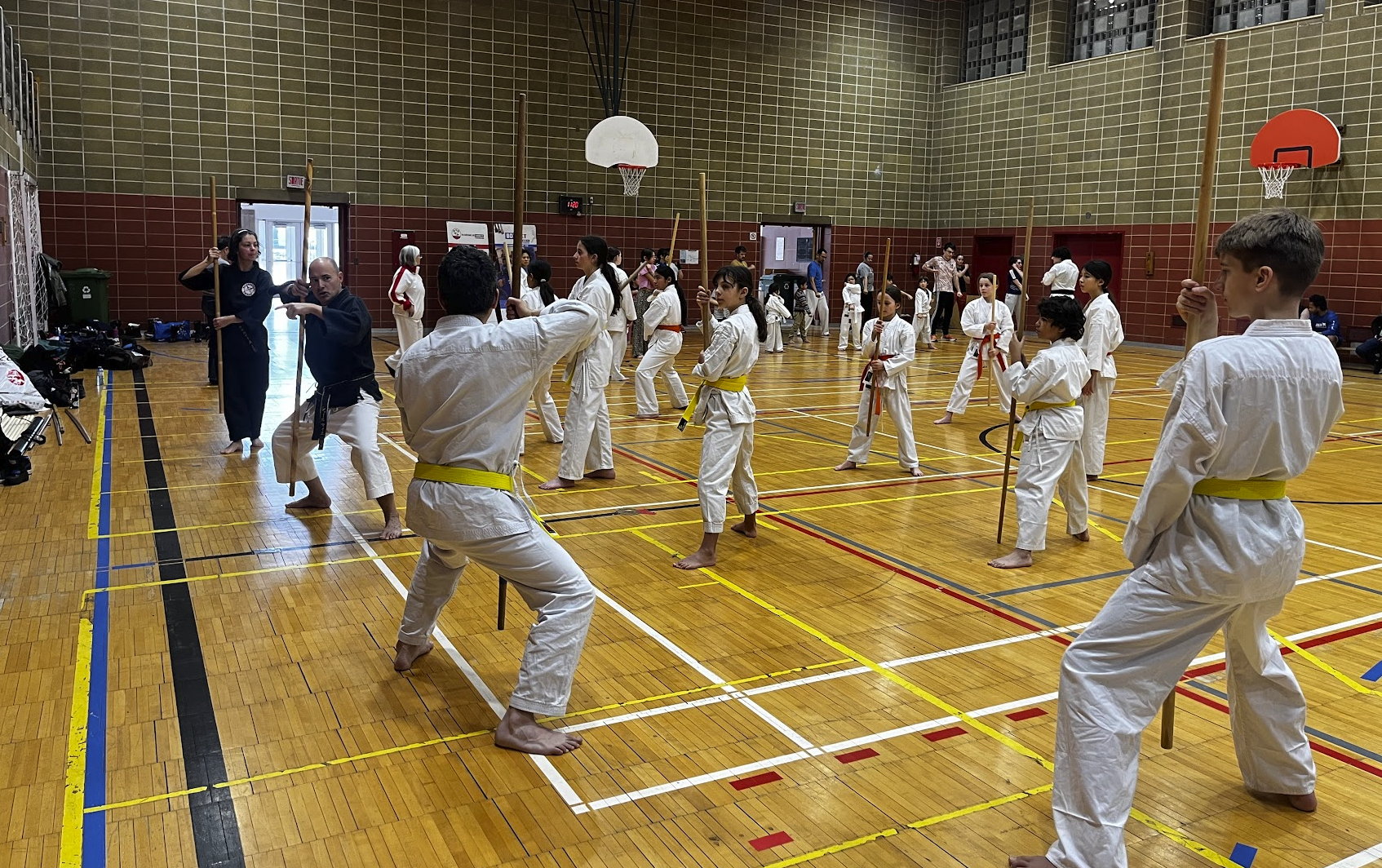
The practice of kobudō strengthens coordination, wrist strength, and the understanding of combat distancing.
Much like Karate, kobudō is built on discipline, precision, and respect. It allows practitioners to complete their martial arts training and equips them to use their environment for self-defense.
An empty-hand fighter cannot be considered truly accomplished in their art until they have mastered the handling of at least one weapon.
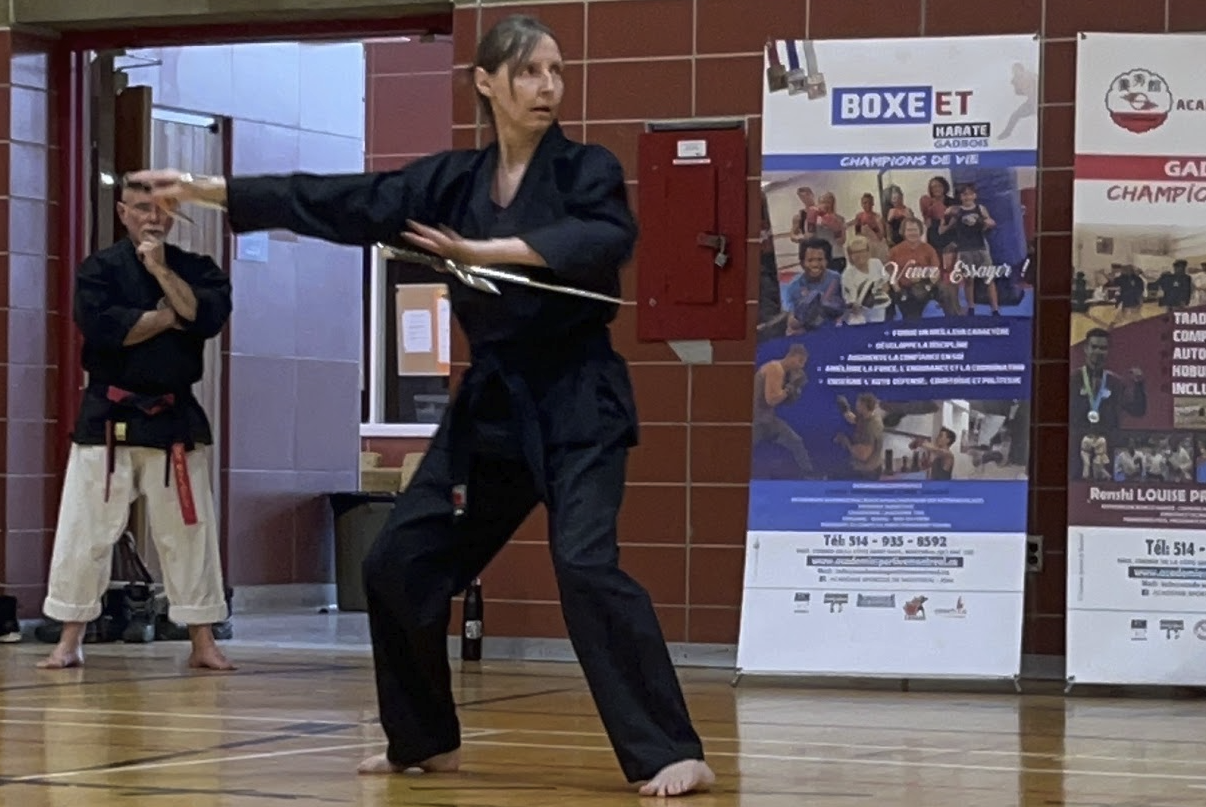
Yoshukan Kobudō is rooted in the heritage of the Ryukyu Honzon Shinko Kai.
These teachings were passed down to us by Hanshi Devorah Dometrich (9th Dan), who spent over a decade in Okinawa. She was one of the few students—and the only non-Japanese student—of Sensei Eisuke Akamine, the designated successor to the traditional Okinawan lineages. This connection ensures the exceptional authenticity of our style.
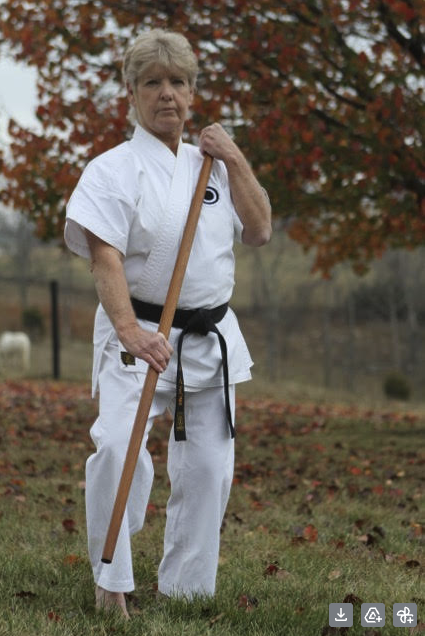
Bo 棒
A bō, or kon, is a staff made of wood or bamboo—sometimes reinforced with metal—measuring approximately 6 feet (180 cm) in length.
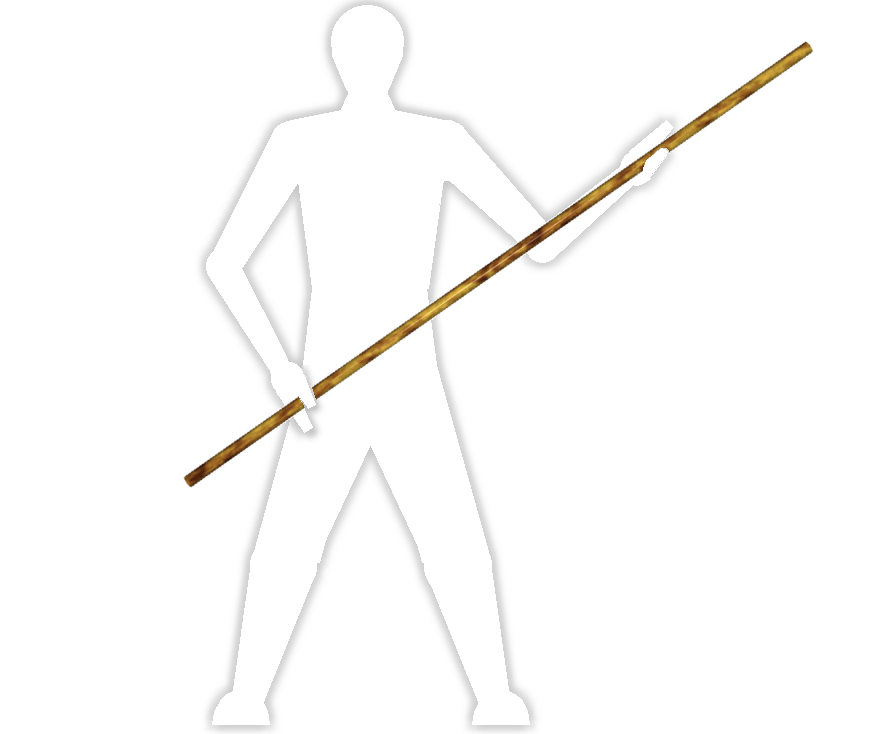
Source image : https://commons.wikimedia.org/wiki/File:Bo(weapon).png
.png)
Sai 釵
The sai is a trident-shaped weapon designed for stabbing rather than slashing. It is typically used in pairs, with a third spare often tucked into the belt. This extra sai can be used to replace a broken one or as a throwing weapon.
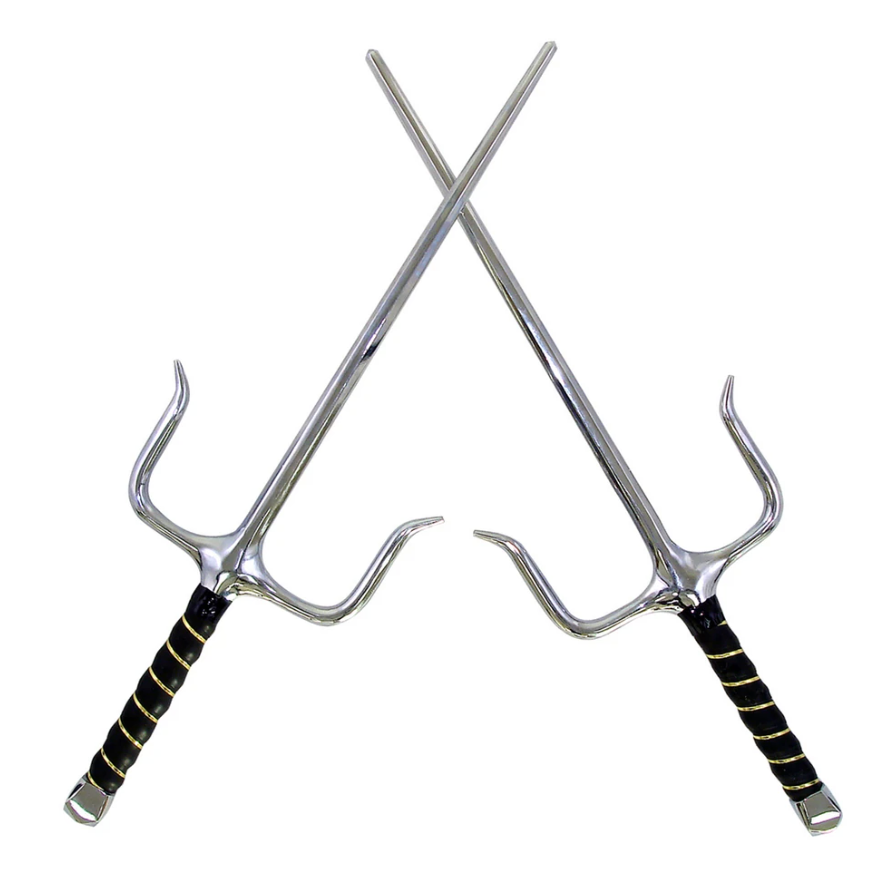
Source texte : https://fr.wikipedia.org/wiki/Sa%C3%AF_(arme)
source image : https://mortalkombat.fandom.com/wiki/Sai#:~:text=Sai%20are%20weapons%20used%20by,prongs%20for%20trapping%20and%20blocking.
Nunchaku ヌンチャク
A nunchaku is a two-section flail used both as a combat weapon and for artistic expression across various Asian martial arts schools and disciplines.
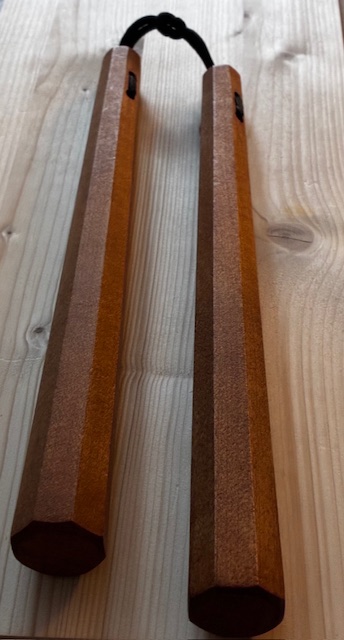
Source texte : https://fr.wikipedia.org/wiki/Nunchaku
Tekko 鉄甲
The tekkō is a handheld weapon from the Okinawan Kobudō arsenal. Shaped like a stirrup or a horseshoe, it functions similarly to brass knuckles.
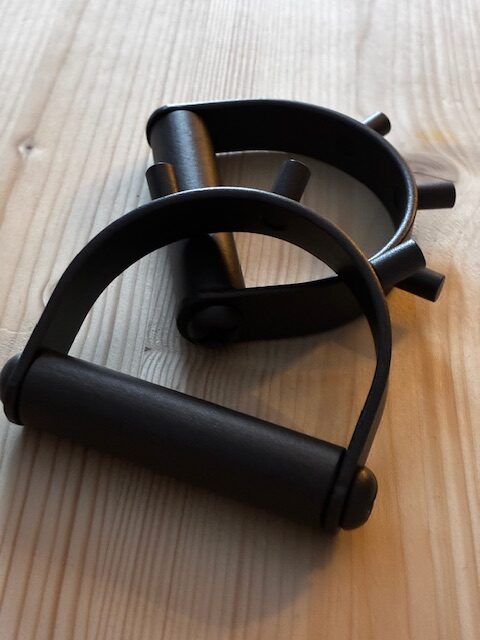
Source texte : https://fr.wikipedia.org/wiki/Tekk%C5%8D
Tonfa トゥンファー
The tonfa is a weapon made of wood or polymer, depending on its use in martial arts or law enforcement. It consists of a baton with a perpendicular side handle, located approximately one-quarter of the way down its length.
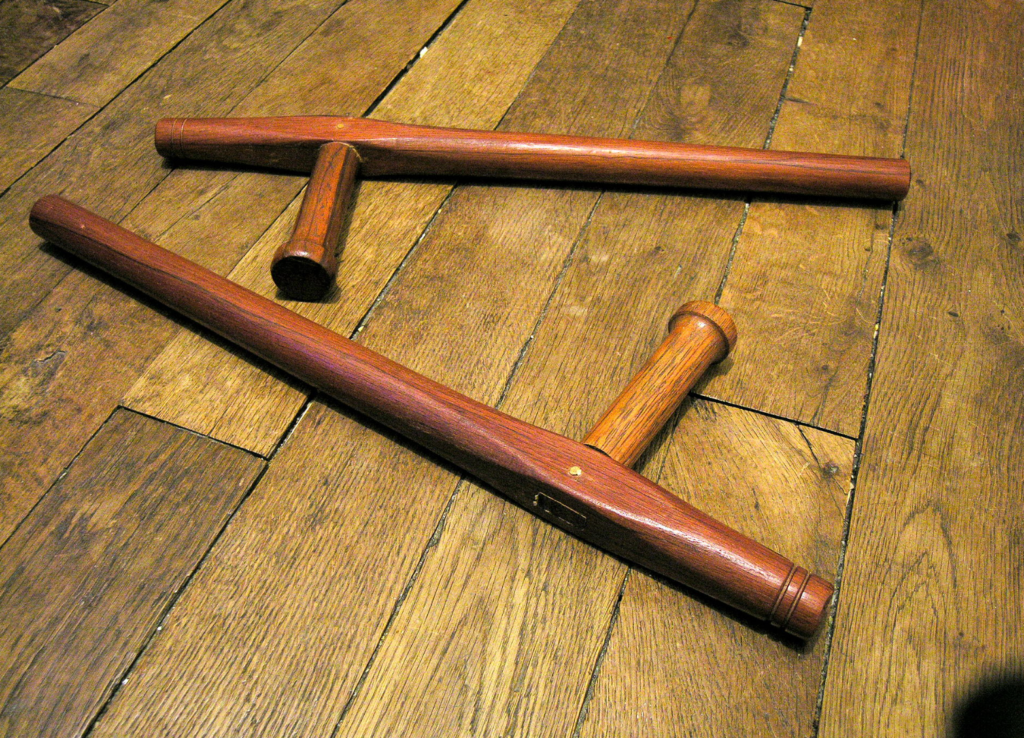
Source texte : https://fr.wikipedia.org/wiki/Tonfa
Source image : https://commons.wikimedia.org/wiki/File:Paire_de_tonfas.jpg

Eku 櫂
The eku was an oar used by Okinawan fishermen for navigation, but also as a formidable weapon. The specific martial techniques developed for this weapon are known as eku-jutsu.

Source texte : https://fr.wikipedia.org/wiki/Tonfa
Source image : https://fr.wikipedia.org/wiki/Eku#/media/Fichier:Eku_kaibo_kai_bo_eiku_oar_staff_eiku_nightmareinshiningarmour.jpg
